 Hope for Orphans
 Support Her Future (Vocational Training)
 Blood Donation (Volunteer Donors)
 Life Line (Blood Seekers Support)
 Hope for Light
HADI Master Portfolio
A living testament to HADI’s capacity, versatility, and unwavering commitment to human dignity and development in South Punjab since 1979.

WASH & Infrastructure
Integrated WASH Initiative
Addressing unsafe water, poor sanitation, and unhygienic practices to create lasting impact on public health and dignity.
This WASH project in Rajanpur stands as a testament to HADI’s enduring commitment to integrated, community-driven development in South Punjab. It exemplifies the organization’s core competencies in implementing high-impact health and infrastructure projects that respect local culture, empower the most marginalized—particularly women and the poor—and forge effective partnerships with international donors.
By concurrently promoting behavioral change through awareness-raising and providing tangible hardware support via toilet construction, the project ensured both the knowledge and the means for communities to adopt healthier practices. The construction of 200 toilets for impoverished households directly addressed a critical gap, moving families from open defecation to safety and privacy.
Social and Cultural ImpactBeyond the clear health benefits, the project fostered profound social and cultural shifts. It provided women, adolescent girls, and the elderly with privacy and security, eliminating the risks associated with open defecation at night. Culturally, HADI engaged local religious figures to frame improved WASH practices within the context of Islamic teachings on cleanliness (Taharah), overcoming resistance and fostering ownership.
Additional Important ConsiderationsThe selection of beneficiaries was conducted through a transparent, participatory process. Capacity-building for local masons and community volunteers ensures that the knowledge remains within the community for long-term maintenance.
Healthcare Outreach
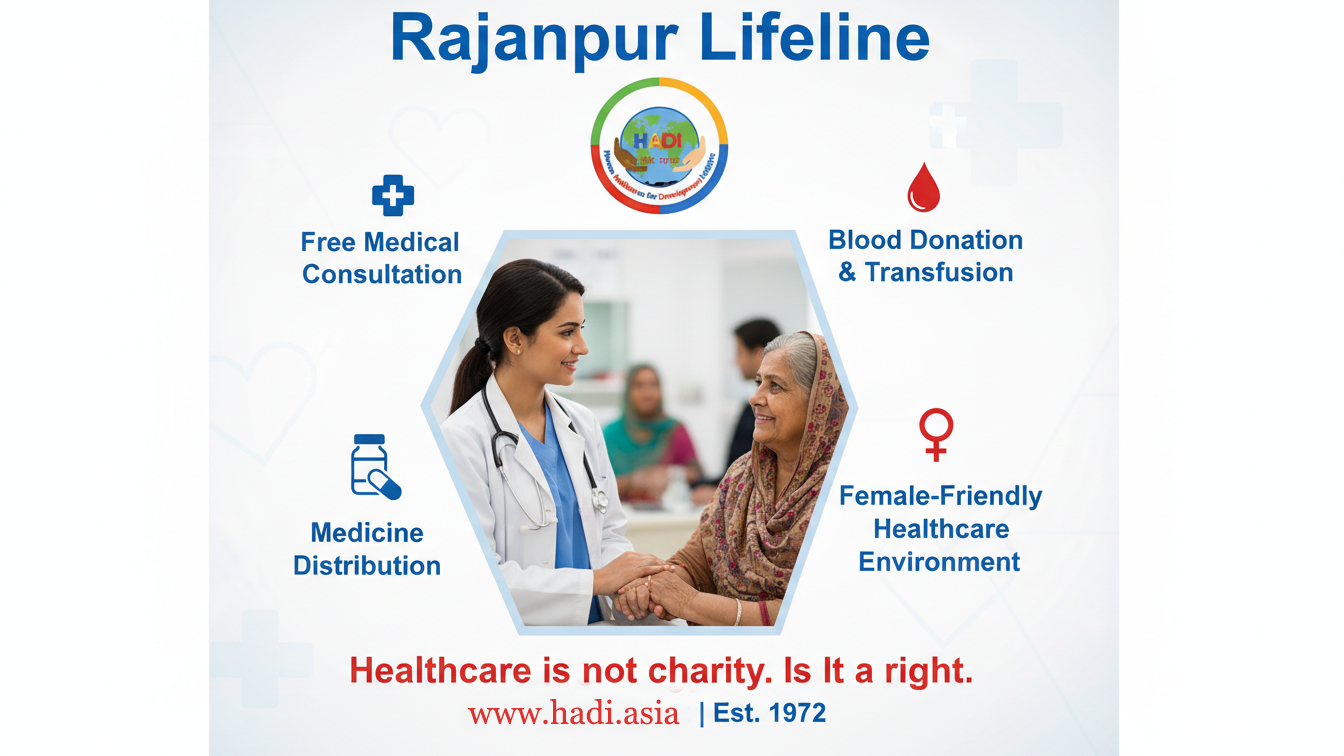
The "Rajanpur Lifeline"
An essential healthcare initiative providing primary care, vital blood bank services, and free medicines.
The Rajanpur Lifeline project addresses a fundamental right—the right to health—in a context of severe economic constraint. The free dispensary serves as the first point of contact, reducing pressure on distant government hospitals. The blood bank is a critical life-saving intervention for maternal mortality, accident trauma, and conditions like thalassemia.
The cumulative impact is a substantial reduction in preventable morbidity and mortality, particularly among daily-wage laborers for whom a single health crisis can plunge an entire family into destitution.
Social and Cultural ImpactSocially, it is viewed as a community-owned asset sustained by local philanthropy. The presence of female staff encourages women to seek care. By emphasizing Islamic principles of saving lives (Sadaqah-e-Jariyah), HADI has turned blood donation into a respected communal act.
Additional Important ConsiderationsThe funding model leverages HADI’s own funds and local supporters, ensuring independence from fluctuating external donor priorities. This ensures absolute accountability to the local population.
Maternal & Child Health
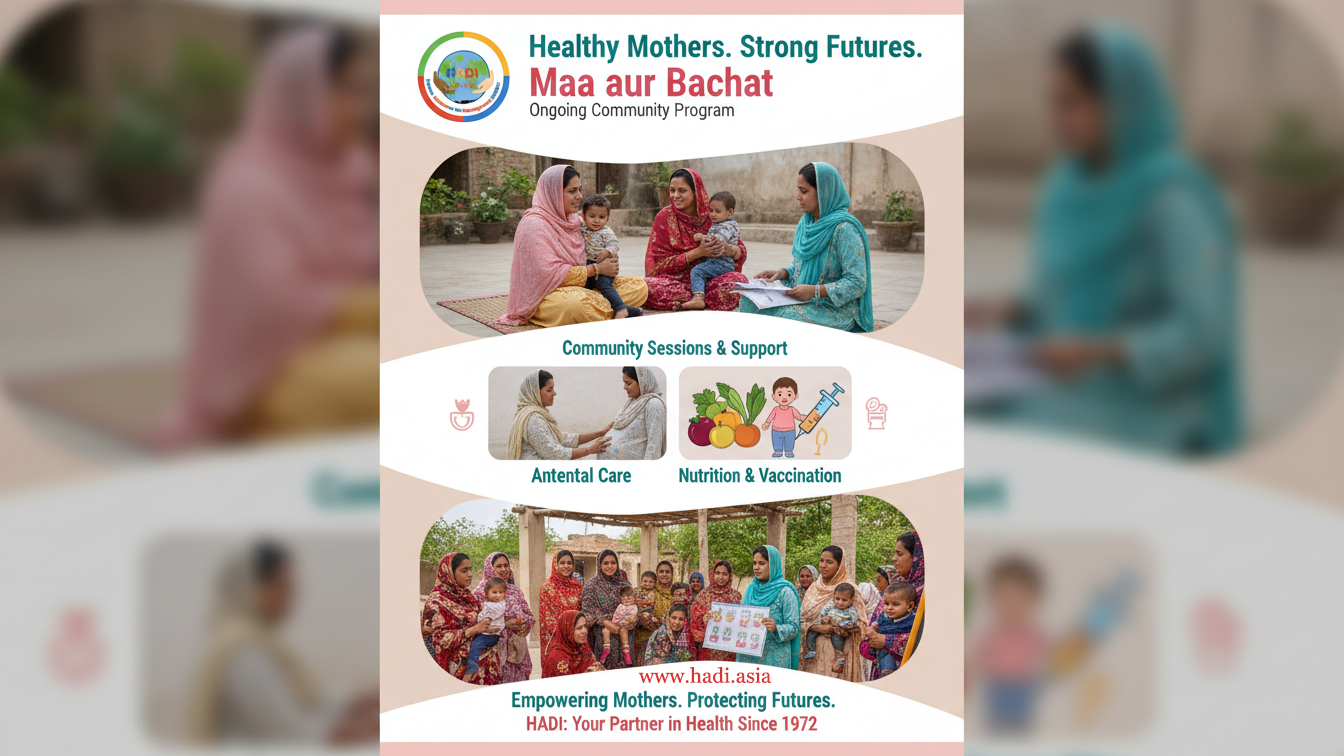
“Maa aur Bachat” (Mother and Well-being)
Transforming maternal and child health outcomes through educational sessions and institutional collaboration.
Focused on prevention, this project addresses root causes. Sessions cover antenatal care, institutional deliveries, exclusive breastfeeding, and nutrition. This consistent dissemination of knowledge has directly contributed to increased vaccination rates and improved nutritional practices among pregnant women.
Social and Cultural ImpactWomen have been transformed from passive recipients into informed advocates for their children’s well-being. By collaborating with Government Basic Health Units (BHUs) and Lady Health Workers (LHWs), HADI navigates sensitive norms effectively, framing new practices as enhancements to existing knowledge.
Additional Important ConsiderationsThe status as an ongoing program since 2017 has allowed for deep trust. The formal alliance with government health services prevents duplication and strengthens the overall public health ecosystem.
Preventive Healthcare
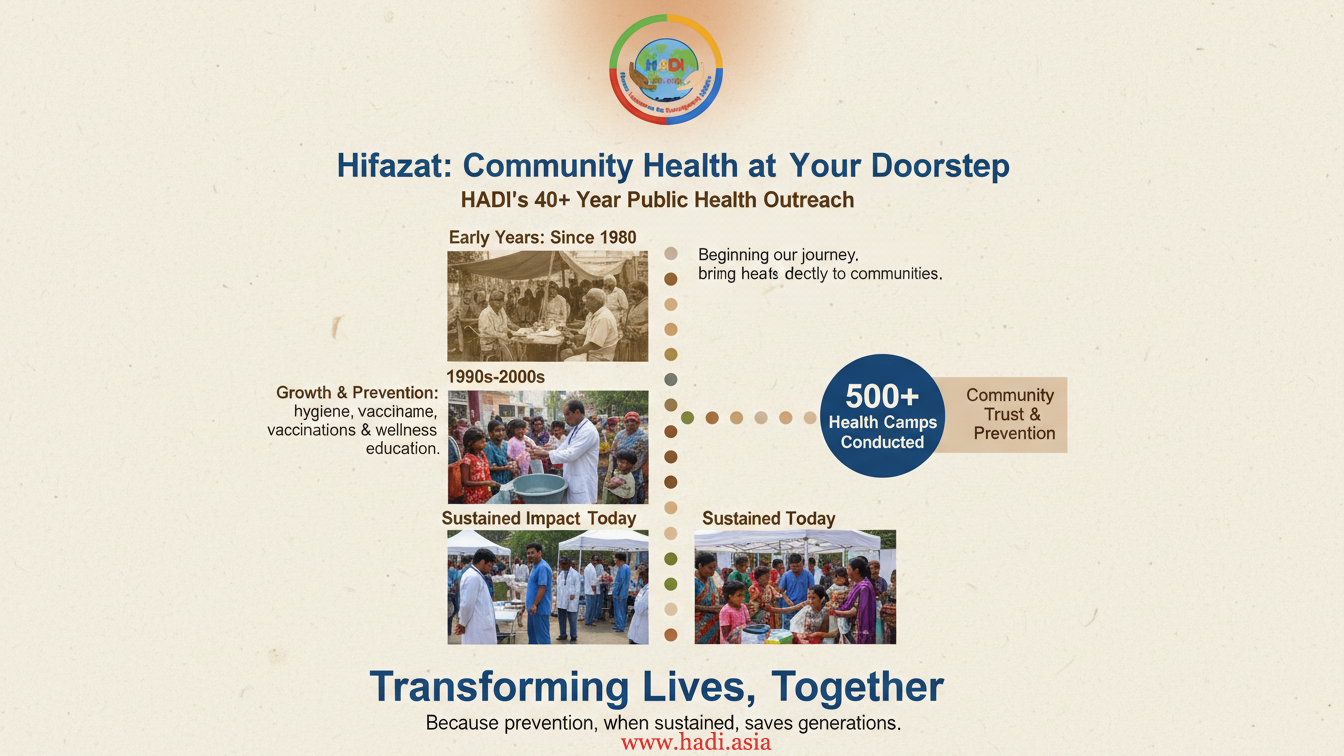
Hifazat: Community Health at Your Doorstep
A four-decade legacy of bringing mobile health clinics to the most remote rural populations.
Initiated in 1980, this represents one of the longest-running health interventions. Over 500 camps have served as mobile public health classrooms, offering screenings, vaccinations, and hygiene demonstrations. It acts as an early-warning system for emerging disease patterns or malnutrition pockets.
Social and Cultural ImpactThese camps have evolved into trusted community institutions. By partnering with Government LHWs and local private doctors, HADI garners immediate credibility. It fosters a sense of community service (khidmat) among the professional class.
Additional Important ConsiderationsThe continuity for 40+ years is a testament to HADI’s institutional resilience. This program remains the bedrock upon which HADI’s reputation as an indispensable institution is firmly built.
Disease Prevention
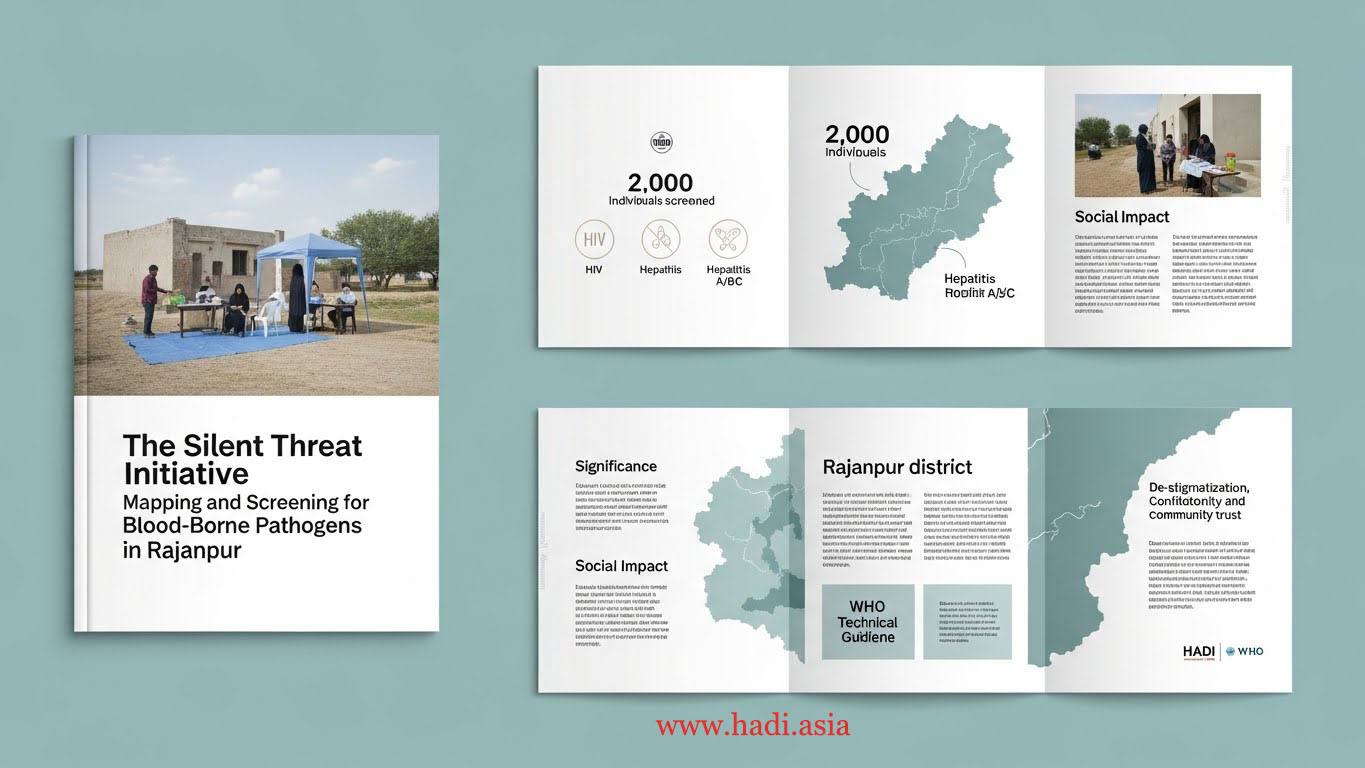
“The Silent Threat Initiative”
Mapping and Screening for Blood-Borne Pathogens in Rajanpur.
“The Silent Threat Initiative” stands as a landmark project in HADI’s history, showcasing the organization’s evolution from a provider of basic services to a technically proficient actor capable of tackling complex, sensitive global health challenges. In 2011, HADI identified a critical gap: the silent, stigmatized, and often undiagnosed prevalence of blood-borne viruses. The project undertook a comprehensive baseline survey and conducted screenings for HIV and Hepatitis A, B, and C among 2,000 individuals across 200 settlements, generating the first localized epidemiological data of its kind for the region.
The project’s core impact lies in its dual output: vital data and direct individual intervention. It identified asymptomatic carriers, enabling early linkage to counseling, care, and treatment pathways, thereby preventing further transmission and mitigating severe liver disease or AIDS-related complications. The baseline survey created an invaluable epidemiological map, providing the WHO, provincial health authorities, and HADI itself with previously unavailable insights.
Social and Cultural ImpactThe social and cultural impact was profound, necessitating navigating deep-seated stigma, fear, and taboo. By conducting screenings in 200 settlements, HADI, with the credibility afforded by its alliance with the WHO, initiated a crucial process of de-stigmatization. The project framed these illnesses as medical conditions to be understood and managed, rather than moral failings to be hidden. This open, scientific approach began to dismantle walls of silence and shame.
Additional Important ConsiderationsThe technical alliance with the World Health Organization was not merely a donor relationship but a partnership that provided rigorous protocols and authoritative credibility. The project established a robust referral and follow-up mechanism with tertiary care hospitals in Multan and other centers, ensuring identified cases were connected to sustainable treatment networks.

Environment & Climate Change
“Har Rukh, Har Ghar: Greening Rajanpur”
A Community Forestation Initiative to combat environmental degradation in South Punjab.
The significance of the “Har Rakh, Har Ghar” project lies in its proactive, community-centric approach to combating environmental challenges such as soil erosion, rising temperatures, and declining biodiversity in South Punjab. By providing 10,000 plants—carefully selected in consultation with the Forest Department to include native, drought-resistant, and fruit-bearing species like Kikar (Acacia), Neem, Ber (Jujube), and Jamun (Java Plum)—HADI addressed both ecological and economic needs.
The direct environmental impact is quantifiable: these 10,000 trees contribute to carbon sequestration, improve local air quality, help bind soil to prevent erosion, and increase green cover, creating micro-climates that mitigate the harsh heat. Over time, these trees will form windbreaks and provide shade for livestock and people.
Social and Cultural ImpactBy distributing plants directly to households and communities, HADI fostered a powerful sense of individual and collective ownership. Culturally, the project resonated deeply with Islamic teachings and local traditions that revere trees as sources of blessing (Sadaqah Jariyah). The act of planting became a unifying community activity, strengthening social bonds.
Additional Important ConsiderationsThe strategic alliance with the Punjab Forest Department was crucial, providing technical expertise on species selection. The funding model—utilizing HADI’s own funds and local donations—underscored the project’s organic, community-driven nature.

Civic Responsibility
“Saaf Mohalla, Saaf School”
A Solid Waste Management and Civic Responsibility Initiative in District Rajanpur.
The significance of the “Saaf Mohalla, Saaf School” project lies in its practical and infrastructural approach to tackling the pervasive issue of unmanaged solid waste. By providing 2,000 dustbins, HADI addressed the very first step in the waste management hierarchy: secure containment at the source. Placing these bins in government schools and villages directly reduced the incidence of open dumping and littering.
The immediate impact was visible: cleaner school compounds, reduced plastic and organic waste in streets, and a decrease in the breeding grounds for flies, mosquitoes, and other disease vectors. This contributed to a lower risk of diarrheal diseases, dengue, and other infections.
Social and Cultural ImpactThe project was centered on fostering a collective sense of ownership and responsibility for shared spaces. In schools, the provision of dustbins was integrated with hygiene education, turning waste management into a practical lesson in civic duty for students. Culturally, the alliance with the Saaf Punjab program lent official legitimacy, framing the use of dustbins as a norm of modern citizenship.
Additional Important ConsiderationsThe partnership with the Saaf Punjab program ensured that HADI’s grassroots intervention was synchronized with government policies. The use of durable, fit-for-purpose bins was crucial to ensure longevity. The project’s completion during 2020 held particular relevance due to heightened awareness of hygiene during the COVID-19 pandemic.

Water Security
“The 500 Wells of Life”
A Water Security Initiative delivering safe drinking water to marginalized settlements (2005-2007).
Installing 500 water pumps was monumental, representing one of the largest singular water provision projects in the region at that time. Prior to this, communities were burdened with traveling long distances to fetch water from contaminated sources. The impact was immediate: it dramatically reduced the time and physical labor required for water collection, freeing up hours each day for education and rest.
From a health perspective, providing access to groundwater directly contributed to a sharp decline in waterborne diseases such as diarrhea, cholera, and typhoid. This led to lower household expenditures on medical treatments and reduced child mortality.
Social and Cultural ImpactThe project profoundly transformed gender dynamics. By liberating women and girls from the time-consuming chore of water collection, it created opportunities for girls to attend school regularly. Culturally, communities were involved in site selection and educated on pump maintenance, instilling pride and collective stewardship.
Additional Important ConsiderationsThe funding partnership with Plan Pakistan provided substantial resources. HADI integrated hygiene promotion alongside installations and established village-level water committees to ensure functionality for years beyond completion.

Social Protection
“Eid-ul-Adha Qurbani Share”
A Plate of Joy for Every Home: Ensuring social inclusion and nutrition during religious festivals.
The significance of the “Eid-ul-Adha Qurbani Share” project is deeply rooted in the socio-economic and religious fabric of the community. For countless poor families, the cost of meat is prohibitive, excluding them from this essential aspect of the festival and its nutritional benefits. HADI’s initiative directly mitigates this exclusion. Nutritionally, it provides a vital source of high-protein food to households that often subsist on a carbohydrate-heavy diet, offering a significant boost to their health and well-being, particularly for children, pregnant women, and the elderly.
Social and Cultural ImpactThe social and cultural impact is profound in fostering social cohesion. By systematically distributing meat to the poor, HADI, alongside its network of local philanthropists, actively bridges socio-economic divides. It transforms the abstract concept of Zakat and Sadaqah into a direct transfer of care. Culturally, the project strengthens the bonds of brotherhood (Ukhuwwah) and encourages more members of the community to contribute to a collective pool of charity managed with accountability.
Additional Important ConsiderationsHADI manages the entire chain from collection of funds and purchase of animals to hygienic packaging, transportation, and distribution across remote villages, ensuring the meat is fresh and delivered respectfully. The targeted selection of beneficiaries is conducted through HADI’s deep community knowledge to ensure aid reaches those most in need.

Quality Education
HADI’s Beacon Schools
Operating in partnership with the Punjab Education Foundation (PEF) to provide international standard primary education.
Since 2017, HADI has operated two Beacon Schools serving underprivileged children. These schools follow a modern curriculum and maintain a 1:30 teacher-student ratio, ensuring quality learning. To date, over 1,500 students have received free education, books, and uniforms through this model. The success of these schools has led to a 95% retention rate, proving that quality education can thrive in rural settings when managed with dedication.
Sustainability and GrowthBy involving parents in "School Management Committees," HADI ensures that the community is a stakeholder in the educational progress of their children. This grassroots involvement is the key to the long-term sustainability and cultural acceptance of modern educational standards in District Rajanpur.
Social Resilience
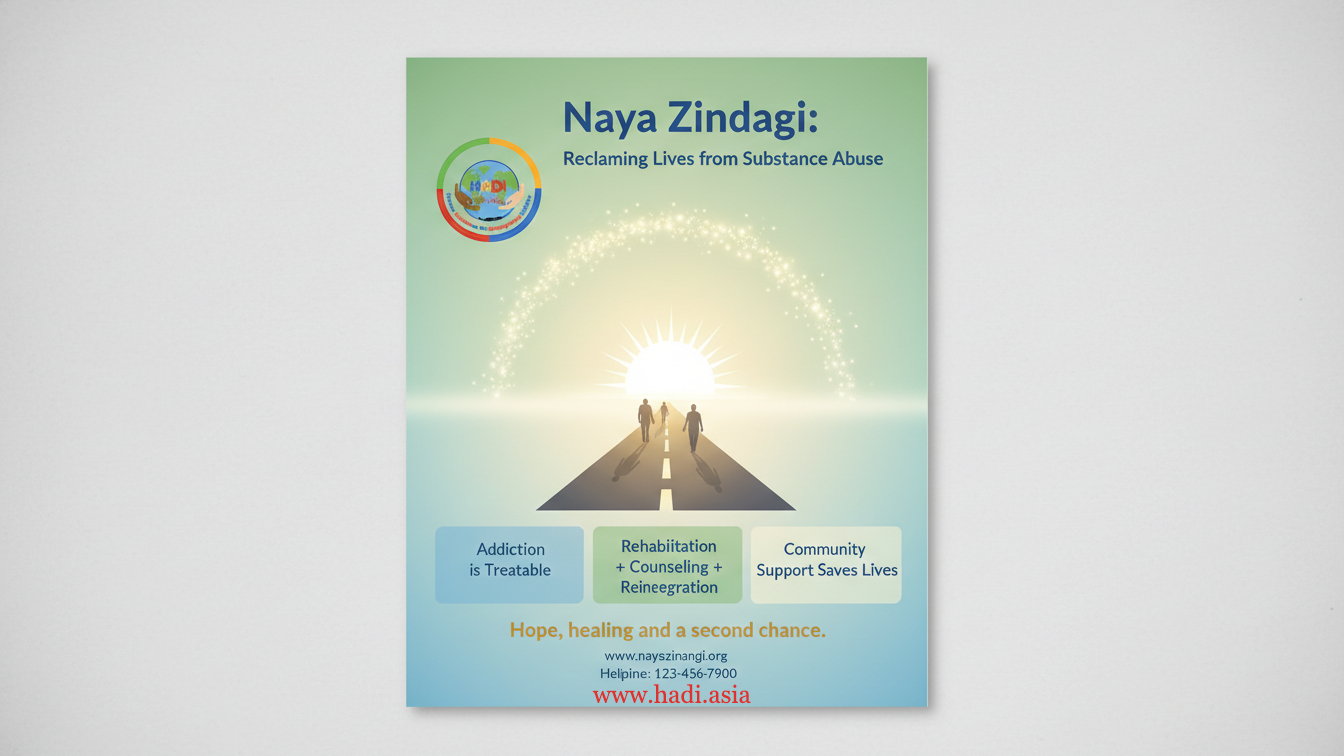
“Naya Zindagi” Rehabilitation
A community-based approach to reclaiming lives from the grip of substance abuse since 2020.
Substance abuse is a growing crisis in South Punjab. HADI’s “Naya Zindagi” program provides intensive detoxification support, psychological counseling, and medical monitoring. Since 2020, we have successfully assisted hundreds of individuals in their recovery journey, boasting a significantly lower relapse rate due to our community-integrated follow-up model.
Social ReintegrationThe program focuses on reintegrating recovered individuals back into their families and local economies. By providing vocational links through our other projects, we ensure that recovery is followed by economic independence, preventing the cycle of addiction from restarting and restoring the dignity of the individual.
Emergency Response
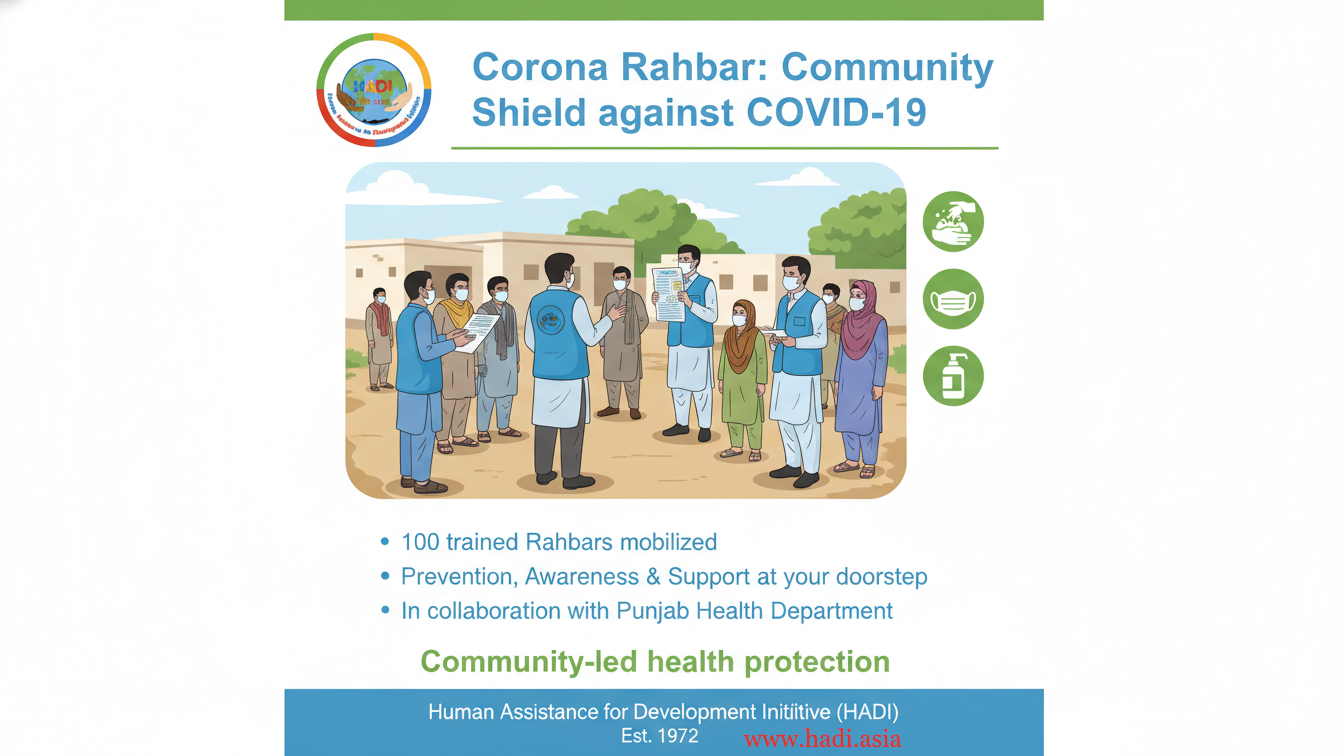
“Corona Rahbar” Initiative
Rapid community response and training during the 2020 global pandemic to shield Rajanpur.
When the pandemic hit, rural Rajanpur faced a vacuum of information. HADI launched "Corona Rahbar" to train 2,000+ local volunteers in COVID-19 safety protocols. We distributed 50,000+ masks and sanitizers and conducted door-to-door awareness campaigns reaching over 100,000 people.
Strategic PartnershipWorking closely with the District Administration, HADI volunteers facilitated vaccination drives in remote areas where vaccine hesitancy was high. Our grassroots presence acted as a vital bridge between health authorities and the skeptical public, ensuring lives were saved through timely information and intervention.
Livelihood & Skills
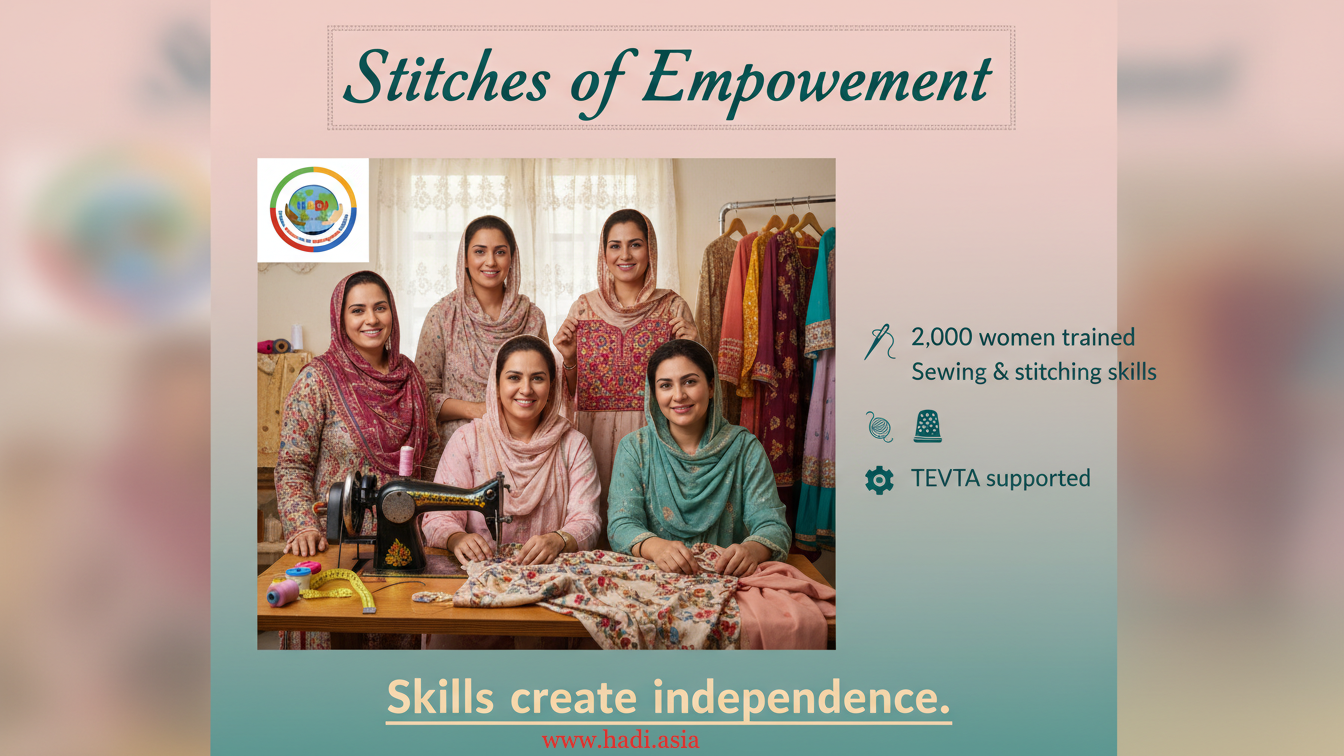
“Stitches of Empowerment”
Vocational training center empowering women through traditional and modern tailoring skills.
This initiative addresses the economic vulnerability of women in Rajanpur. By providing specialized training in stitching and embroidery, HADI enables women to earn a respectable income from their homes. The center provides not just skills, but also access to markets, helping them transition from learners to entrepreneurs.
Impact on HouseholdsThe vocational center has trained hundreds of women, many of whom are now the primary breadwinners for their families. This economic empowerment leads to better health and education outcomes for their children, creating a ripple effect of progress across the community.

Education & Scholarships
“Umeed-e-Nau: The Beacon of Hope”
A specialized scholarship and support initiative for students from marginalized backgrounds.
Since its inception, HADI has recognized that financial barriers are the primary reason for school dropouts in South Punjab. "Umeed-e-Nau" was launched to bridge this gap. This project provides full and partial scholarships to high-achieving but financially struggling students, covering their tuition, books, and uniforms. It represents HADI's commitment to ensuring that poverty does not become a dead end for talent.
The impact is measurable in the lives of hundreds of graduates who are now pursuing professional degrees in medicine, engineering, and social sciences, breaking the generational cycle of poverty in their families.
Social and Cultural ImpactThis initiative has shifted the community's perspective on education as a long-term investment. By supporting girls' education specifically, "Umeed-e-Nau" has challenged local norms and empowered young women to become role models within their villages, fostering a culture of meritocracy and intellectual ambition.
Additional Important ConsiderationsThe project uses a transparent, merit-cum-need based selection process. HADI also provides mentorship and career counseling to scholarship recipients, ensuring they are guided through their academic journeys and prepared for the professional world.
Food Security
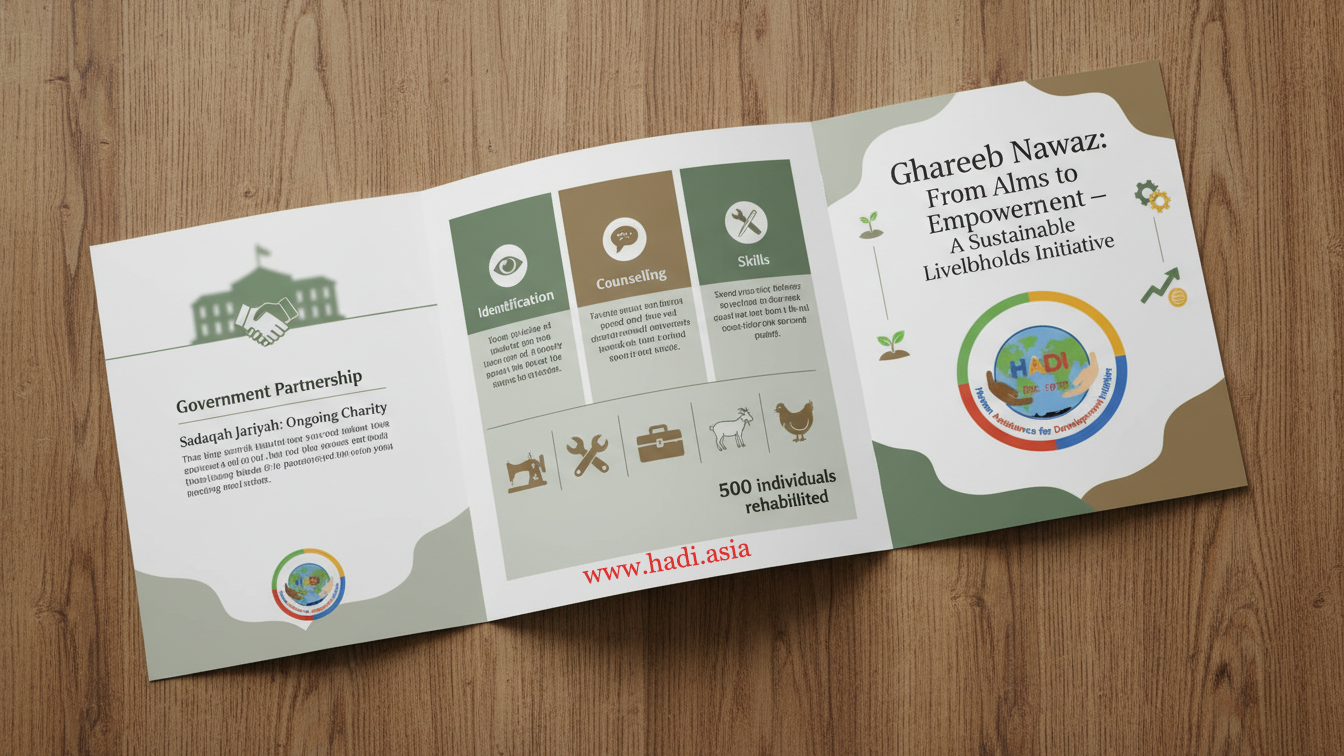
“Ghareeb Nawaz: A Commitment to Food Security”
Ensuring no home goes hungry through systematic monthly ration distribution and nutrition support.
In a region where seasonal labor often leads to periods of extreme hunger, HADI’s "Ghareeb Nawaz" project acts as a vital safety net. This ongoing initiative provides monthly food hampers (containing flour, oil, pulses, sugar, and tea) to widows, elderly individuals without support, and extremely low-income families across District Rajanpur.
The impact is direct: improved nutritional levels in children and a reduction in the psychological stress of food insecurity for thousands of households. During times of inflation and economic crisis, this project has remained a consistent source of survival for the most vulnerable.
Social and Cultural ImpactThe project reinforces the spirit of "Madina-like State" (Riyasat-e-Madina) where the community takes care of its weakest members. It fosters social solidarity and ensures that the most marginalized feel remembered and supported by their fellow citizens through HADI's organized platform.
Additional Important ConsiderationsHADI maintains a detailed database of beneficiaries to avoid duplication and ensure the aid reaches the most deserving. The procurement is done locally to support the regional economy, and distribution is handled with utmost dignity, often through door-to-door delivery for the elderly and disabled.
Emergency Relief
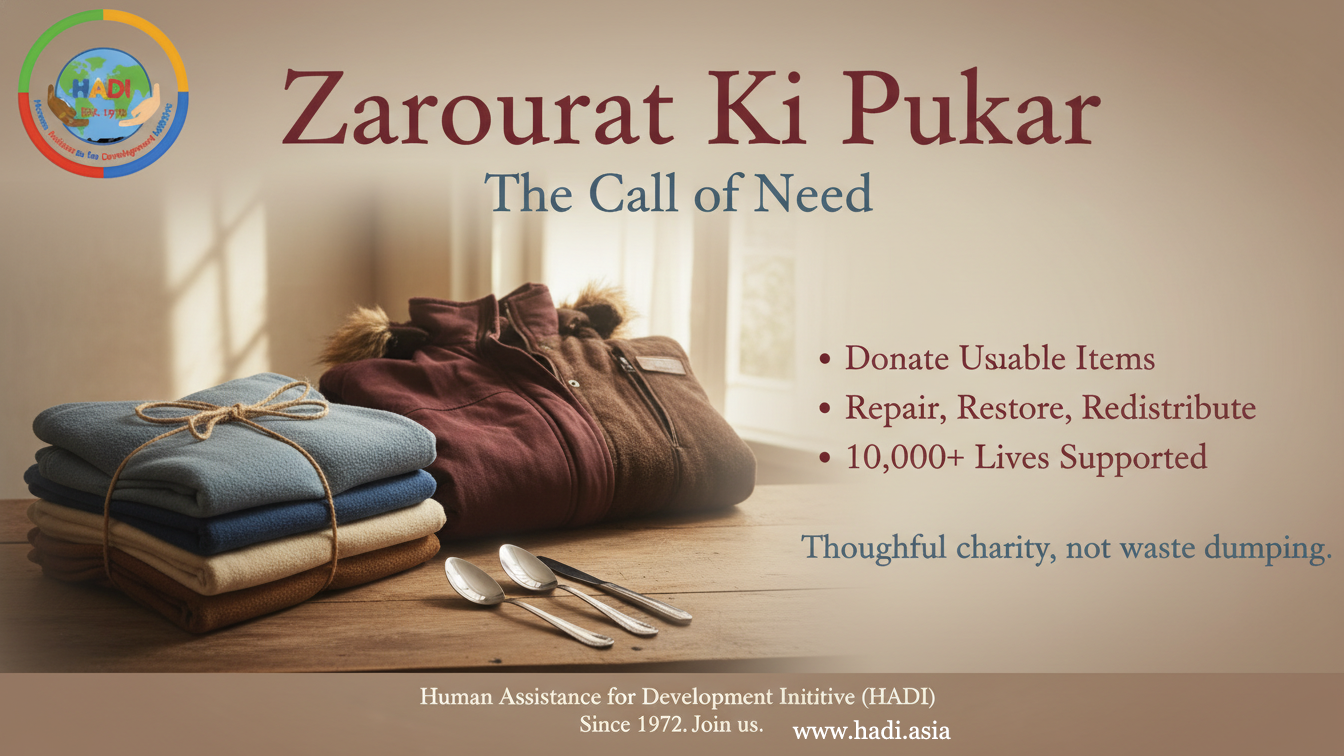
“Zaroorat Ki Pukar: The Emergency Response”
Rapid disaster response, flood relief, and rehabilitation for communities in crisis.
Rajanpur is frequently hit by devastating hill torrents and riverine floods. "Zaroorat Ki Pukar" is HADI’s specialized emergency wing. During the massive floods of 2010 and 2022, HADI was among the first on the ground, providing cooked meals, clean water, medical camps, and temporary shelters. This project is the difference between life and death during the first 72 hours of a disaster.
Beyond immediate relief, the project also focuses on early recovery, such as providing seeds to farmers who lost crops and helping rebuild damaged houses in the aftermath of the floods.
Social and Cultural ImpactThe presence of HADI teams during disasters provides immense psychological comfort to the victims. It builds deep trust between the organization and the community, as people see HADI standing with them in their darkest hours. It transforms the affected people from "victims" to "survivors" through active participation in relief activities.
Additional Important ConsiderationsThe project maintains a ready-to-move team of volunteers and a small emergency fund to ensure zero response time. HADI coordinates closely with the District Disaster Management Authority (DDMA) to ensure relief is distributed efficiently and reaches the most remote "kacha" areas that are often overlooked.